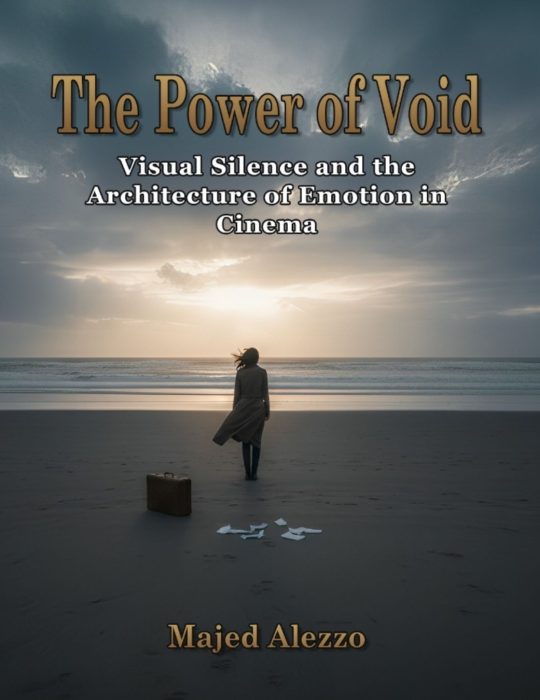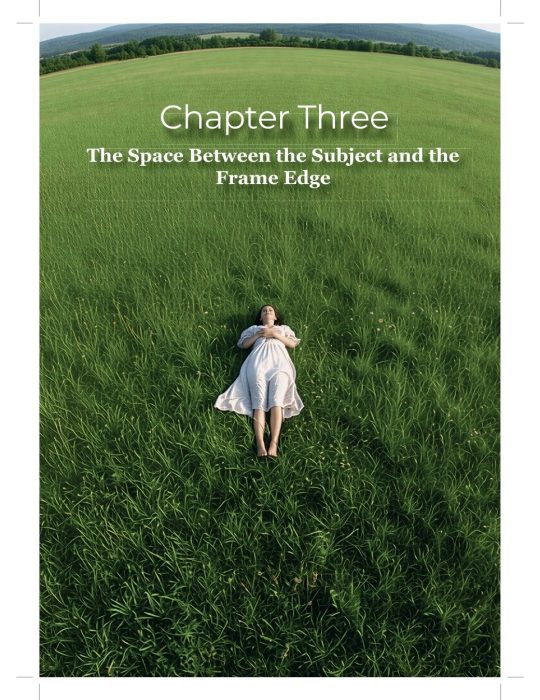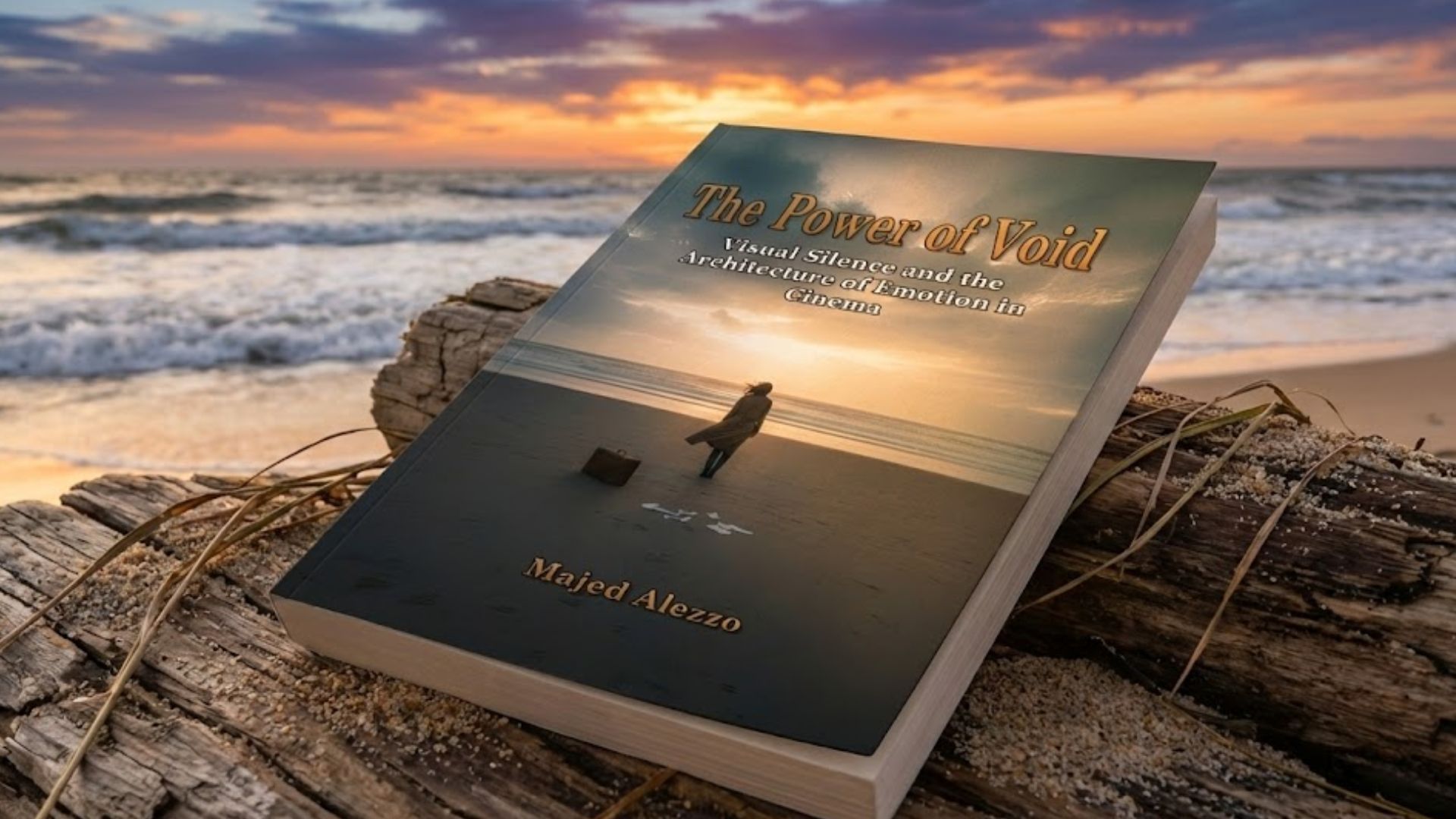
When emptiness is used to express emotional isolation, it evolves from a physical absence into an emotional metaphor. The empty room, the deserted street, the vast horizon—all become mirrors of inner loss. Through such imagery, the filmmaker articulates not just solitude, but the ache of disconnection—the space between the self and the world.

Book Structure
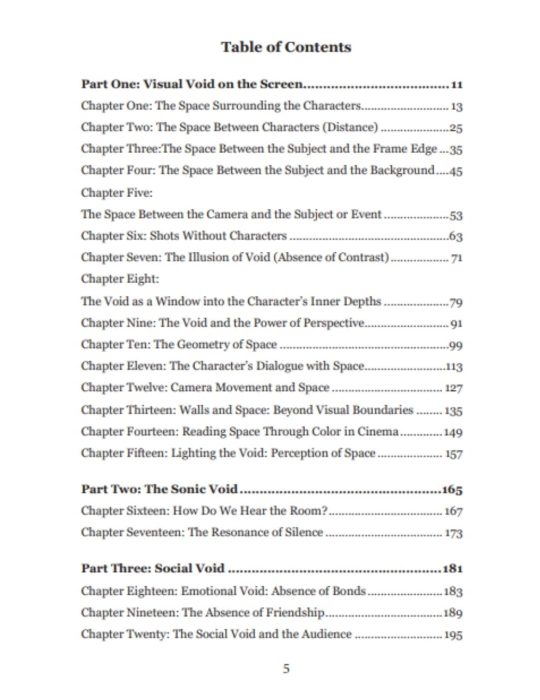
The book unfolds in five interconnected parts:
- The Visual Void
- The Sonic Void
- The Social Void
- The Dramatic Void
- Practical Examples
The Power of Void unfolds across twenty-one chapters that together form a unified vision of emptiness as a cinematic tool. The chapters move from spatial composition, distance, light, and color, to the expressive force of silence and emotional isolation. They explore how void shapes tension, intimacy, and psychological depth, as well as its social dimension in human relationships. The book concludes with practical examples that demonstrate how emptiness becomes an active instrument of meaning and emotion on screen.
Author Summary
“Majed Alezzo is a filmmaker and dramatic consultant whose practice is defined by a rigorous, structural approach to visual and emotional space in cinema.
As the founder of the Vienna City Filmmaking Academy (VCFA), Majed established a structured methodology for training directors and writers in cinematic precision, focusing on how non-verbal elements shape narrative.
The Power of Space formalizes this methodology. It is an intensive inquiry into how emptiness, distance, and silence function as active architectural elements in filmmaking. The book offers a focused framework for practitioners to analyze and intentionally utilize the visual and acoustic void to build coherent emotional depth on screen.”

Why This Book Matters?
The Power of Void is more than a theoretical work—it is a new way of seeing cinema.
Across its 21 chapters, the book introduces an original framework that transforms emptiness into a creative force capable of shaping feeling, tension, rhythm, and psychological depth. It helps filmmakers, students, and visual storytellers discover how space, silence, and distance can speak more eloquently than dialogue. Built on applied research and cinematic examples designed specifically for this theory, the book offers practical tools and philosophical insight that redefine how we perceive images on screen.
It is a book that doesn’t simply teach… it awakens perception.
What You Will Gain:
- A new understanding of space as an expressive cinematic language.
- Practical tools to control distance, light, silence, and visual tension.
- Insight into how void shapes emotion, psychology, and narrative flow.
- A unique framework that bridges theory, philosophy, and directorial practice.
- A deeper ability to read—and create—images that resonate with viewers on a profound emotional level.
Images from the book